Desk 06 · Emergency Broadcasting
Emergency broadcasting for community stations
The Emergency Alert System, NOAA Weather Radio and the storm playbook: what a low-power station must do, may do and should do when disaster takes over.
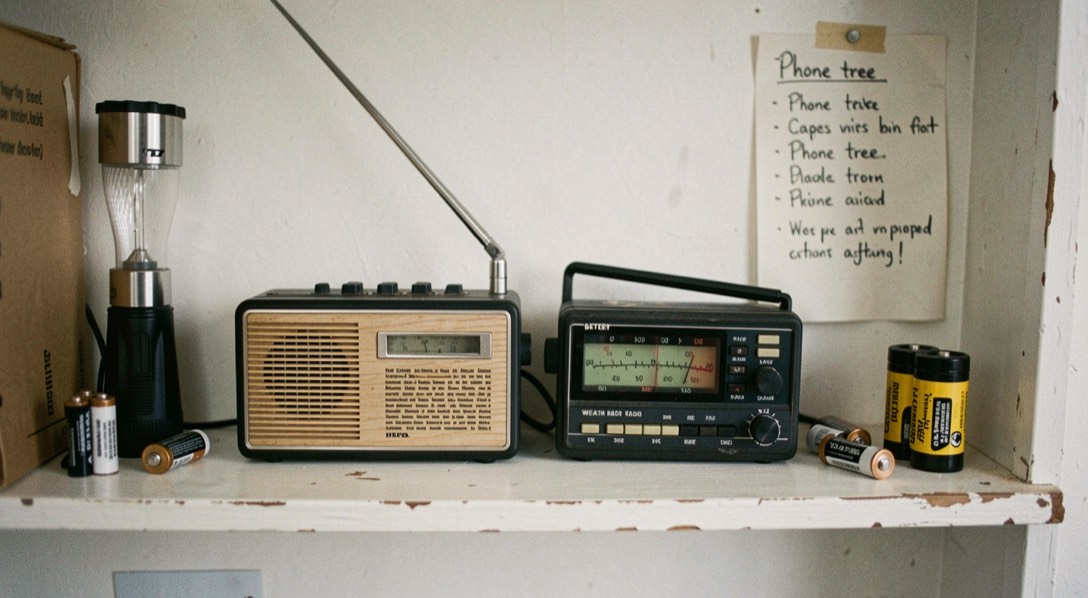
When the tornado warning sounds, the smallest station on the dial becomes part of the public safety system, or discovers why it should have prepared to be. This desk explains the machinery in volunteer terms: the Emergency Alert System and its coded digital headers, the weather wire that feeds it, the seven NOAA Weather Radio channels that deliver official warnings, and the station-side habits that keep a community station useful when cell towers fail.
Nothing here replaces the FCC rulebook, and our plain-language EAS beginner’s guide says exactly where the legal duty stops for LPFM stations and where the neighborhood duty begins. The storm playbook turns that line into a checklist a station can tape beside the console.
In this desk
-
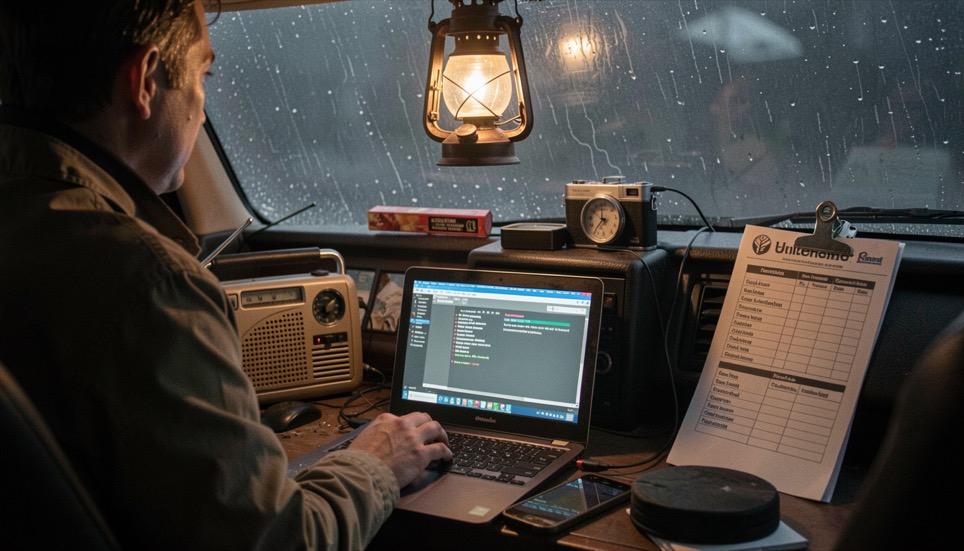
A community station’s storm playbook
When the warning sounds, the smallest station in town may be the only media outlet still running on generator power and volunteer nerve, and the difference is a playbook written on a calm day.
-
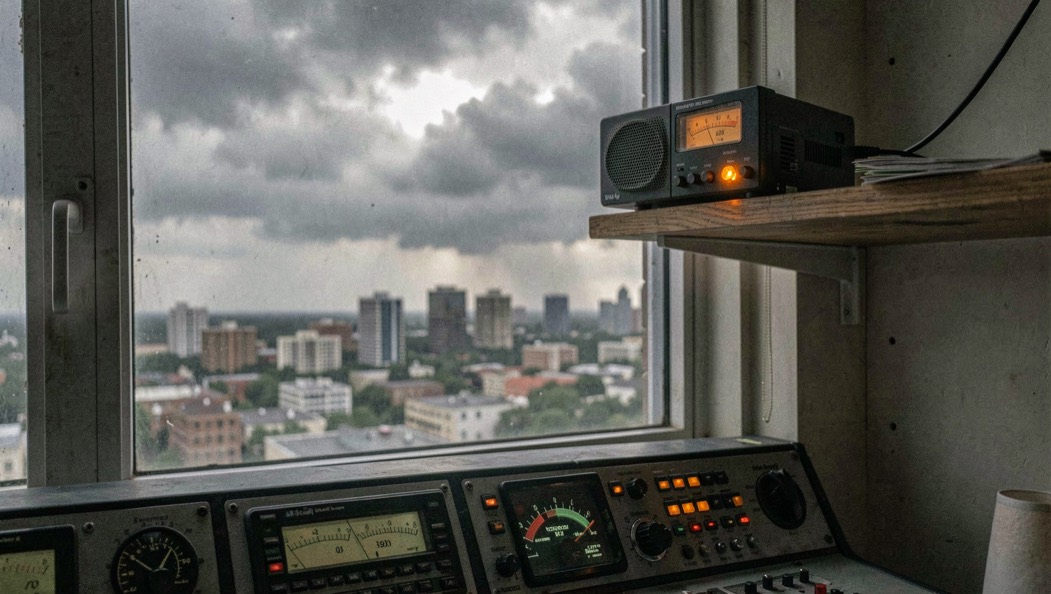
The Emergency Alert System for beginners
The attention signals on your radio during a tornado warning are the third generation of a system built against nuclear war, and community stations sit closer to its front line than any network.
Two neighbouring desks extend this one: Stations Near You and Start a Station. The magazine’s method is stated on the editorial policy page.