An independent magazine of community radio
The people’s band, from 92.1 to 107.9
Citizens Radio Review follows low-power FM and the stations around it: how a 100-watt signal is licensed, what the FCC rules mean in plain language, where community radio came from, and how it carries on online through podcasts and emergency alerts.
2026 edition · Stations · Rules · History · Podcasts · Emergency
On the air
-
01
Stations Near You
Finding the local, licensed and often tiny stations hiding between the commercial signals.
-
02
Start a Station
From a founding group to a construction permit: the paperwork and the buildout, step by step.
-
03
LPFM Rules Made Simple
The rulebook of low-power FM, translated from regulatory English into plain sentences.
-
04
Radio History
Armstrong’s band, the pirates, the listener-sponsored experiment and the law that finally licensed the small signals.
-
05
Podcast Corner
The online afterlife of community programming, from RSS enclosures to hyperlocal feeds.
-
06
Emergency Broadcasting
EAS, weather wires and the night the schedule stops mattering.
01-06The six desks of the magazine
Six doors into the same dial, from the neighborhood signal to the alert chain.
-
01
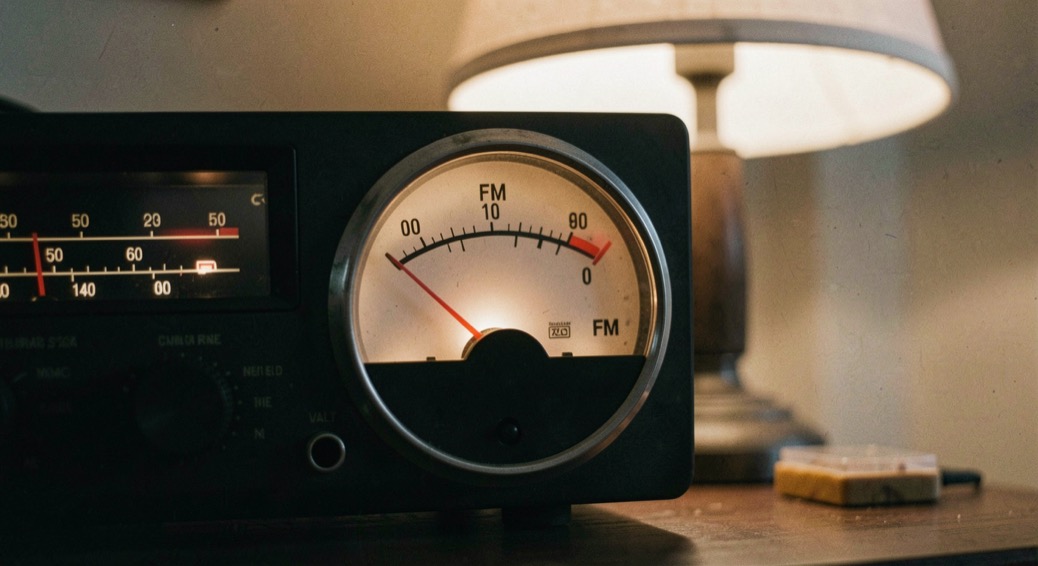
Stations Near You
Finding the local, licensed and often tiny stations hiding between the commercial signals.
-
02
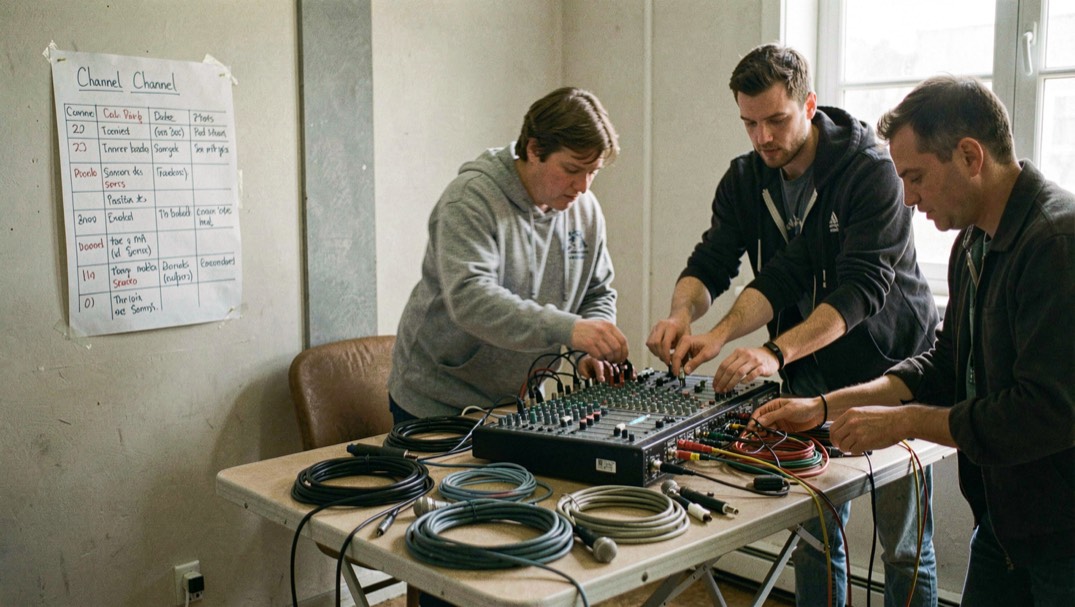
Start a Station
From a founding group to a construction permit: the paperwork and the buildout, step by step.
-
03
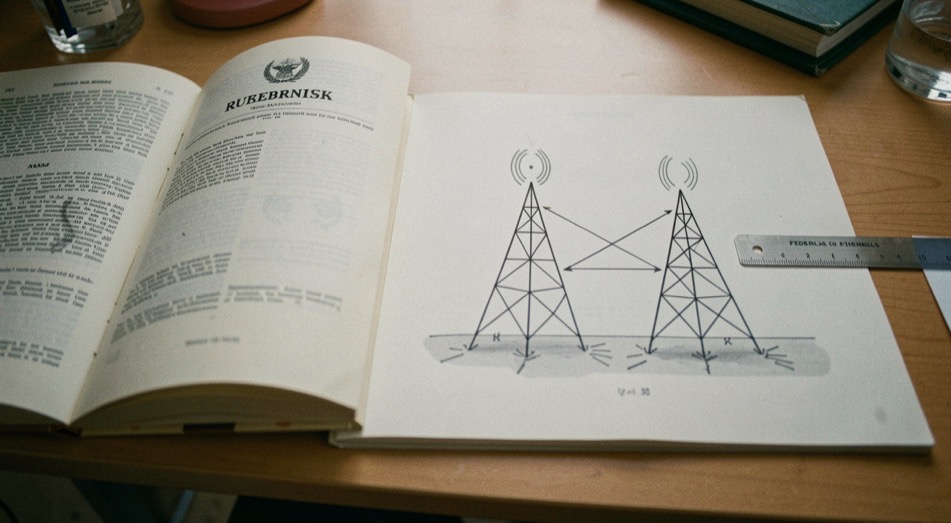
LPFM Rules Made Simple
The rulebook of low-power FM, translated from regulatory English into plain sentences.
-
04
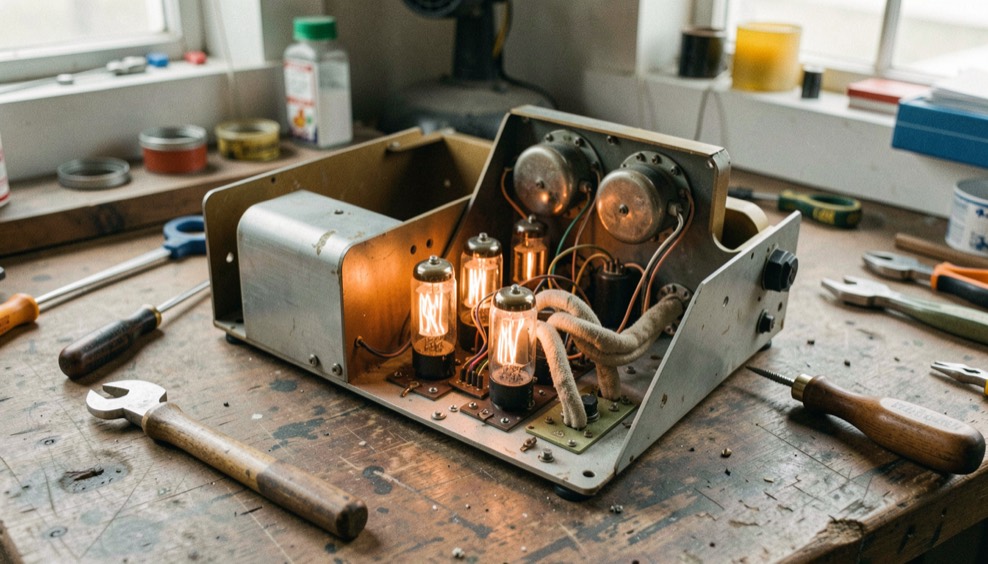
Radio History
Armstrong’s band, the pirates, the listener-sponsored experiment and the law that finally licensed the small signals.
-
05
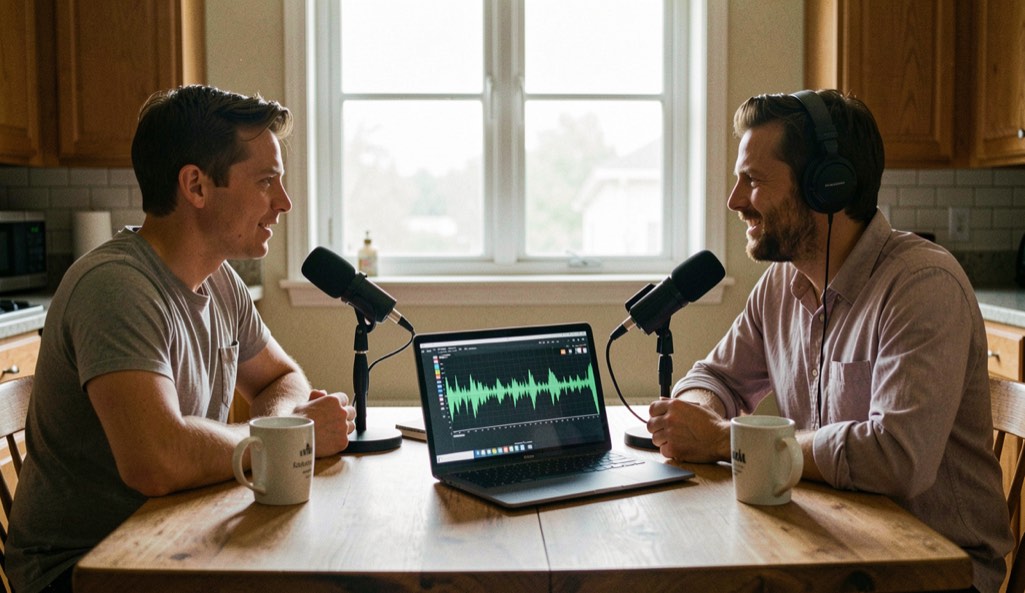
Podcast Corner
The online afterlife of community programming, from RSS enclosures to hyperlocal feeds.
-
LOGThe program log
Every guide the magazine publishes, dated, from the six desks.
-

· Emergency Broadcasting
Primary Entry Point stations: how a national alert travels
Every national alert in the United States enters the broadcast system through 77 radio transmitters chosen by FEMA, and a 100-watt community station hears it at the end of a chain that starts there.
-

· Stations Near You
SyBrowser: a Mac SQL client from 1999
SyBrowser was a shareware SQL client for the Mac, first released on August 17, 1999 by MacSOS Pty Ltd, the Sydney software workshop of Dr Gerard Hammond.
-

· Stations Near You
Reading SMART, RAM and voltage sensors
A memory test, a SMART readout and a voltage sensor each answer a narrow question, and none of them declares a machine healthy on its own.
-

· Stations Near You
ABAP basics: syntax, data types, keyword index
ABAP statements follow a fixed pattern: a keyword first, then operands, then a period.
-

· Stations Near You
Diagnose a slow PC before replacing it
A slow or noisy computer is not automatically a dead one.
-

· Start a Station
Crochet basics: hook, chain, and pattern reading
Hold the hook in your dominant hand the way you hold a pencil or a knife, with the thumb and index finger pinching the flat grip just below the head.
-

· Start a Station
Watercolor washes, glazing, and muddy color
A flat wash is laid on paper that is already damp or on dry paper with a fully loaded brush, working in even bands from top to bottom and never going back over a band that has started to dry.
-

· Start a Station
Hot Iron: Stretch, Upset, Bend, Punch, Forge Weld
Hot iron work is the set of moves a smith makes while steel is above its recrystallization temperature: drawing out, upsetting, bending, punching, and forge welding.
-

· LPFM Rules Made Simple
Reading the Scottish Tartan Register
The Scottish Register of Tartans is the national collection of tartan records, kept by the National Records of Scotland.
-

· LPFM Rules Made Simple
Local Produce Show: Entry, Bench, and Flower Prep
Local produce shows are open to amateur gardeners who grow their own.
-

· LPFM Rules Made Simple
What Lutherans Believe and How Worship Works
Lutherans teach that salvation comes by grace alone, received through faith, not earned by good works.
-

· Radio History
Samhain to Halloween: how the holiday began
Halloween comes from the old Celtic festival of Samhain, a late-autumn marker in Ireland and Britain that later met the Christian feast of All Saints and the American habit of carving pumpkins.
-

· Radio History
Free-nets: when communities ran their own networks
A free-net was a community computer system that anyone in a city could dial into, usually for free, to read local news, send messages, join forums, and look things up.
-

· Radio History
Reading old portraits and letters with care
A photograph and a letter are not neutral records.
-

· Podcast Corner
Tezuka, Otomo, Shirow: anime’s founding authors
Classic anime and manga rest on a small group of Japanese authors.
-

· Podcast Corner
Inside a Paris gallery: what visitors never see
A gallery owner spends most of the week not selling art.
-

· Podcast Corner
Antique clocks: how to start, date and restore
Start with one clock that runs. A weight-driven shelf clock or a simple spring-driven mantel clock from the 1840s to the 1920s is common, repairable, and cheap enough that a mistake does not hurt.
-

· Emergency Broadcasting
Satellite images of Asia: a buyer’s guide
Choosing imagery for a project in Asia comes down to three numbers and one licence.
-

· Emergency Broadcasting
HDMI ARC, eARC and soundbar wiring, explained
ARC and eARC are the two audio return channels built into HDMI.
-

· Emergency Broadcasting
Windows upkeep: startup, updates, Wi-Fi
Most Windows slowdowns and connection complaints trace back to three chores: too many programs launching at sign-in, update errors that never get read, and Wi-Fi that drops for reasons the router did not cause.
-

· Emergency Broadcasting
VIP Aviation: private jets at Warsaw, 2005
On August 1, 2005, Warsaw’s Okęcie airport added private aircraft service at its VIP Aviation terminal.
-

· Stations Near You
What community radio can learn from France’s independent record culture
A small station and a small label are the same institution wearing different licenses: both exist to keep a local scene audible when the market will not.
-

· Stations Near You
Putting a Hometown Festival on the Air: Cameras, Streams and Rights
The annual parade passes once, and a community station that is not ready for it watches the most local hours of the year go by in silence.
-

· Stations Near You
Getting a Civic Event on the Air: What a Community Station Can Do With a Published Calendar
The cheapest hour on a community station’s schedule is written by the town itself, in the calendar of fairs, breakfasts and lodge suppers nobody else broadcasts.
-

· Stations Near You
Five Working Days: Records Requests for a Two-Person Newsroom
The smallest newsroom in town has the same right to the town’s paperwork as the biggest one, and the state wrote the answer into statute.
-

· Stations Near You
What a Field Trial Teaches a Remote Broadcast
A retriever trial is a broadcast school disguised as a dog sport: a published order, fixed stations, judges, weather and a results sheet at sundown.
-

· Stations Near You
Reading the Development File Your Town Filed
The biggest local story of the decade is usually a stack of clearances and land allotments, and the newsroom that reads the file owns the story.
-

· Start a Station
Run by Volunteers: What Keeps a Community Signal on the Air
A community station and a regional writers chapter are the same machine wearing different missions, and the machine has been studied for a century.
-

· Start a Station
What a Station Can Do for the Shelter Next Door
The shelter three miles away has animals nobody sees; the station has three miles of ears. The pairing is the oldest public service in radio.
-

· LPFM Rules Made Simple
Why Your 100 Watts Does Not Reach the Whole County
The license says 100 watts, the listener hears a radius, and between the two sits a chain of components each quietly taking its share of the signal.
-

· LPFM Rules Made Simple
Living Near a Community FM Transmitter: Field Strength and Limits
A 100-watt antenna on a rooftop raises a fair question in the houses around it, and the answer is a matter of physics, reference levels and honest measurement.
-

· LPFM Rules Made Simple
Clearing Rights Before You Broadcast or Screen: a Volunteer Media Checklist
Volunteer media ask the same question in every format, radio or film: what rights does the room or the signal require, and who sells them?
-

· Radio History
The Village Chronicle a Station Should Keep
The town that writes itself down owns its own memory, and a village blog that started as campaign coverage is the proof small stations should study.
-

· Podcast Corner
The Cut in Sound: Editing Radio Pieces Like a Film Editor
The volunteer trimming an interview is doing the oldest craft in cinema, and the film editor’s vocabulary is the fastest way to learn it.
-

· Podcast Corner
The Discipline of Listening a Studio Teaches
Listening is the volunteer’s real instrument, and the people who have trained attention longest are not broadcasters at all.
-

· Emergency Broadcasting
The Weather Band: What a Small Radio Tells an Angler
The cheapest safety equipment on a riverbank is a thirty-dollar weather radio, and the anglers who drown statistics usually skipped the forecast it was reading.
-
· LPFM Rules Made Simple
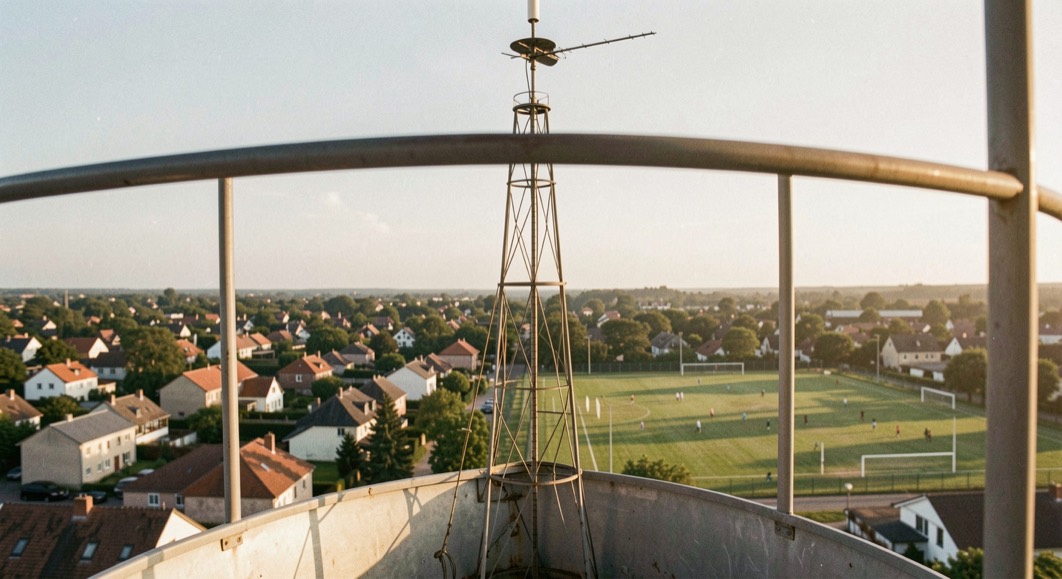
What 100 watts buys on the FM dial
One hundred watts is a light bulb with a license, and the size of its footprint is not an accident but the central promise of the low-power service.
-
· Start a Station
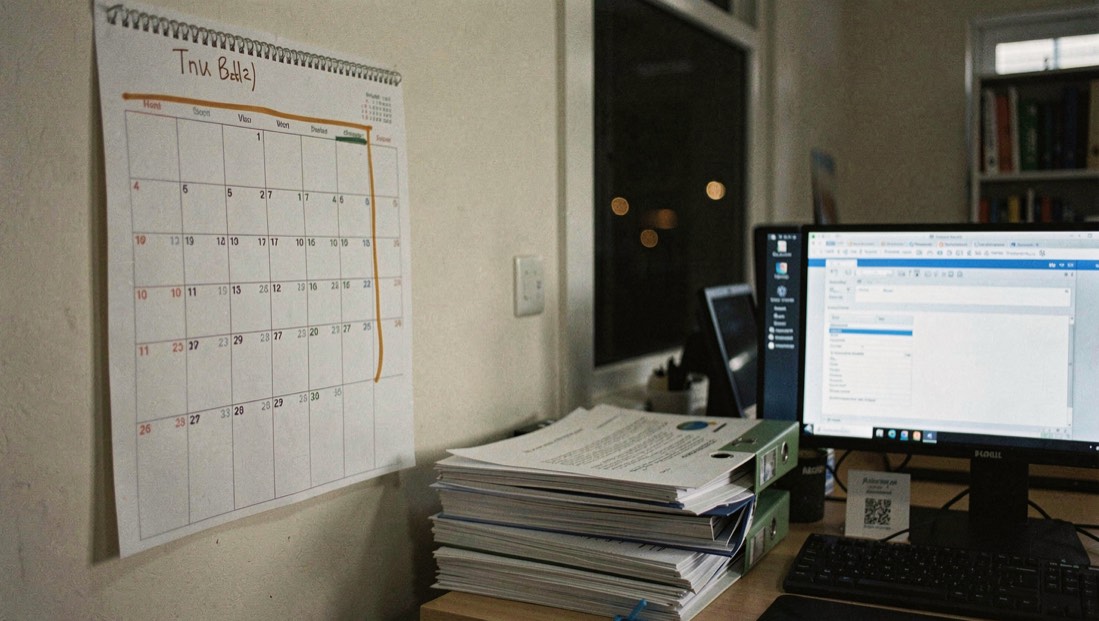
FCC application windows, explained
The strangest feature of the LPFM world is its calendar: you cannot apply when you are ready, only when the FCC opens a window, and the winners are almost always the groups that prepared during the closed years.
-
· LPFM Rules Made Simple
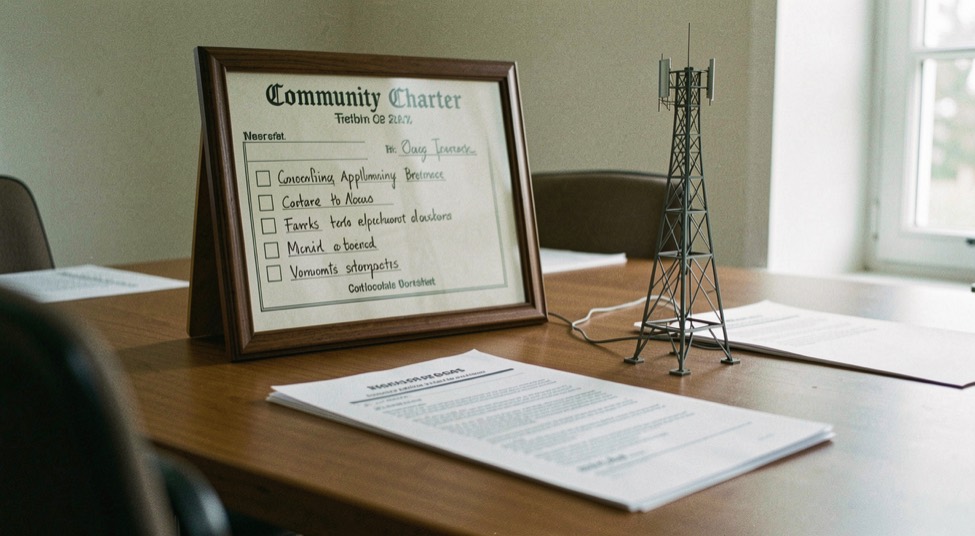
The FCC point system made simple
The point system is the FCC’s answer to a simple question: when several communities’ groups chase one frequency, which of them is most the community’s own?
-
· Start a Station
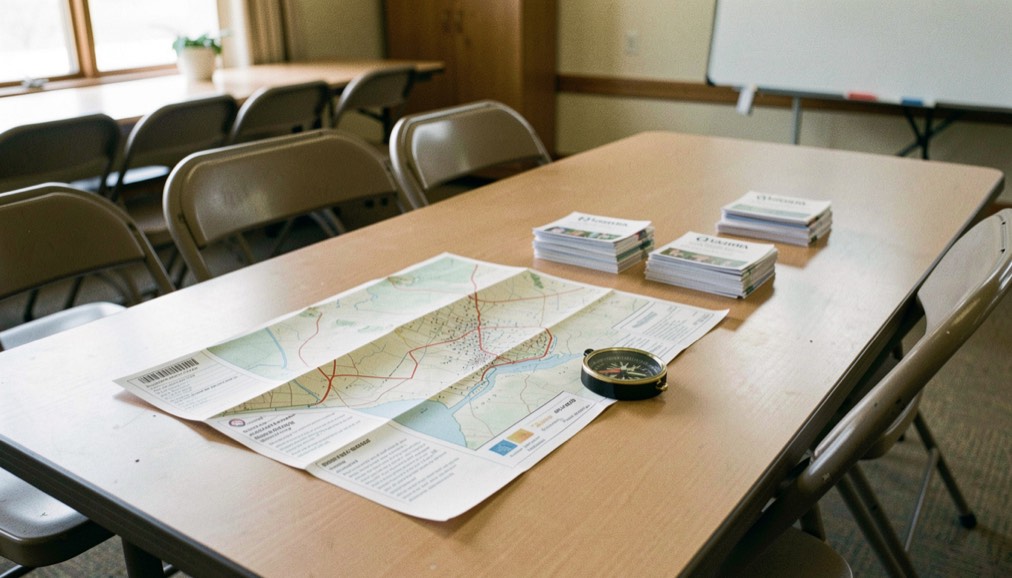
Start an LPFM station: the full roadmap
Between a kitchen table full of interested people and a licensed 100-watt signal lies one application, one point race and one buildout, and every step of that road can be prepared before the filing window opens.
-
· LPFM Rules Made Simple
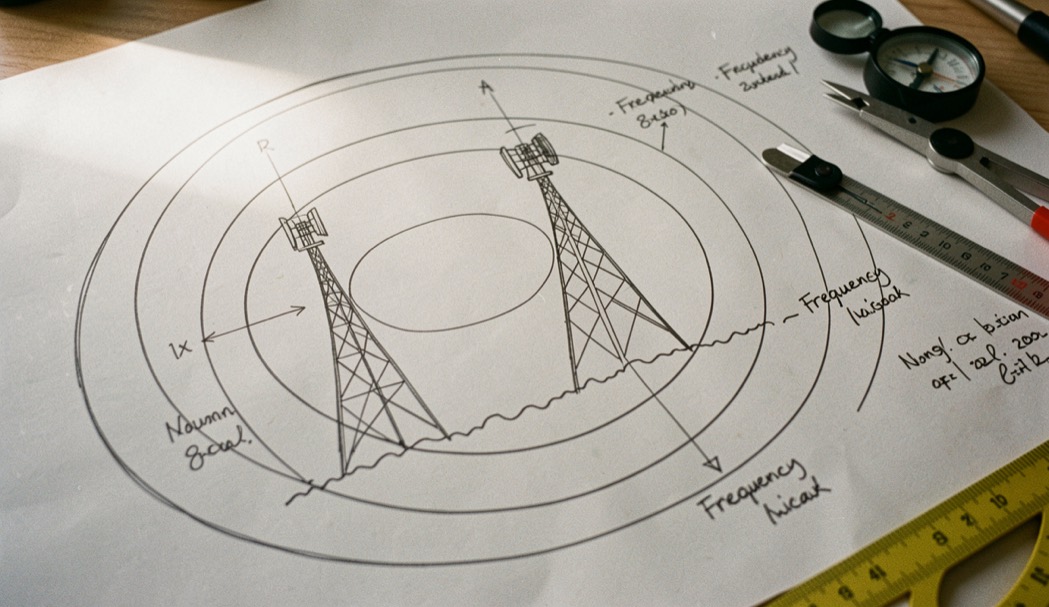
Protections, offsets and shared dial space
The FM band is a geometry problem: every new signal must prove it will not hurt its neighbors, and the FCC’s spacing rules decide where a 100-watt station may legally stand.
-
· Start a Station
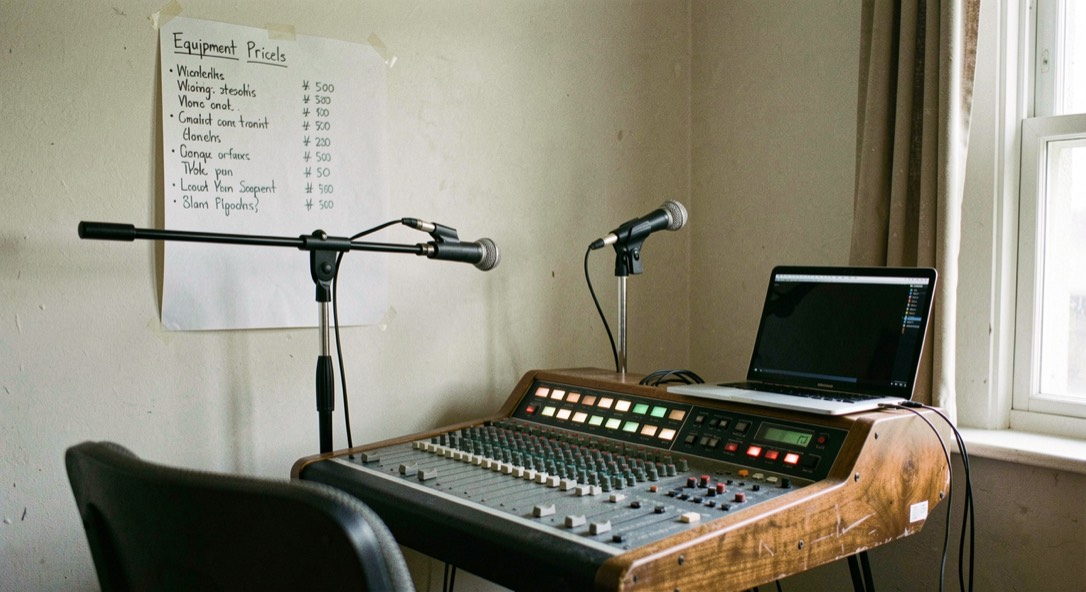
Building a studio on a community budget
The transmitter is one purchase among many, and rarely the trickiest: a workable low-power station is built from patient shopping, donated rooms and a budget that respects the license clock.
-
· Podcast Corner
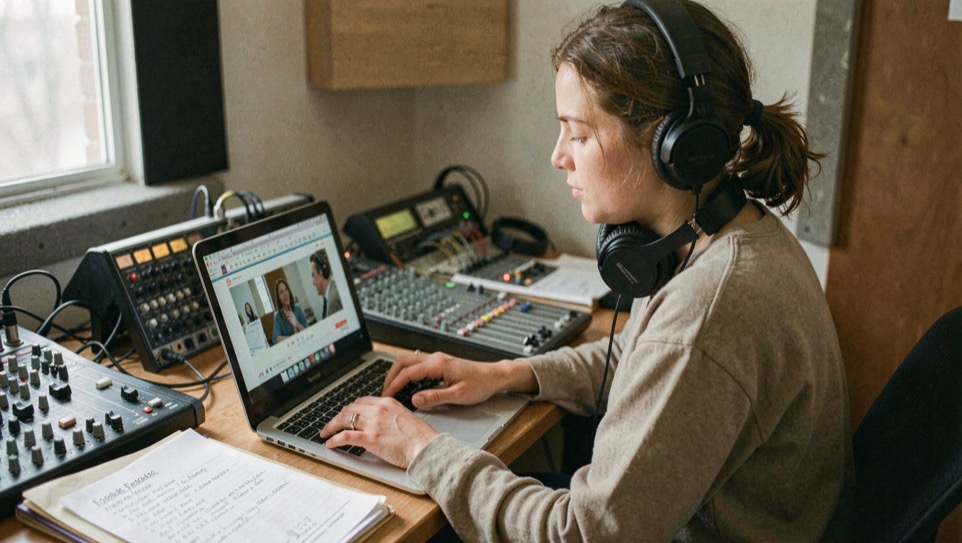
Turning a station into a podcast workshop
A station that treats every broadcast as a recording gains a second audience that never touches the dial, and the studio it already owns is most of the way there.
-
· Stations Near You
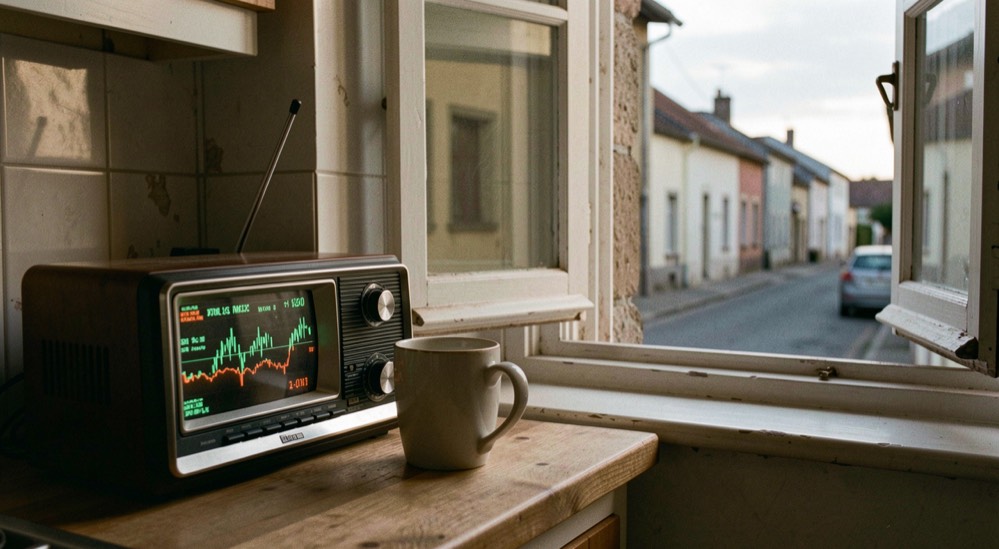
What a 100-watt station sounds like
A low-power signal has a texture of its own: strong at the center of town, noisy at the county line, and programmed with a freedom no ratings-driven operator would dare.
-
· Podcast Corner
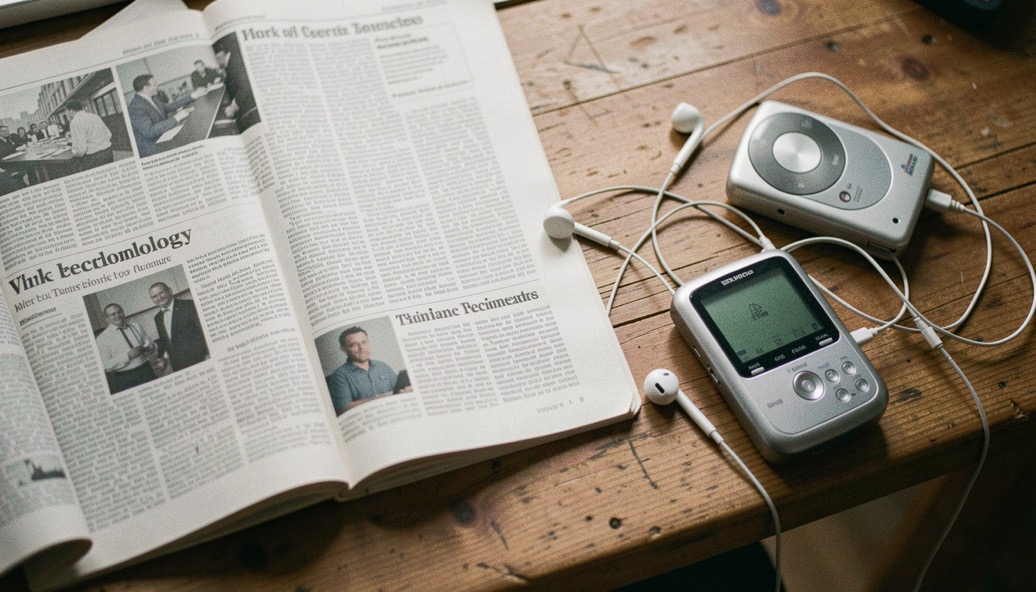
How the podcast got its name
The medium was older than its name, the name was a joke that stuck, and both facts tell you everything about how community audio actually spreads.
-
· Radio History
From pirate transmitters to LPFM licenses
The low-power FM service was not a government idea. It was the government’s answer to a decade of illegal transmitters that kept turning themselves back on.
-
· Radio History
Pacifica and listener-sponsored radio
Before LPFM, before public radio, a small group of pacifists in Berkeley invented the business model community broadcasting still runs on: the listeners pay, so the listeners decide.
-
· Radio History
Armstrong and the invention of FM
Every 100-watt station on the dial owes its existence to one stubborn engineer who proved that static was not inevitable, and who paid for the proof with everything he had.
-
· Emergency Broadcasting
A community station’s storm playbook
When the warning sounds, the smallest station in town may be the only media outlet still running on generator power and volunteer nerve, and the difference is a playbook written on a calm day.
-
· Stations Near You
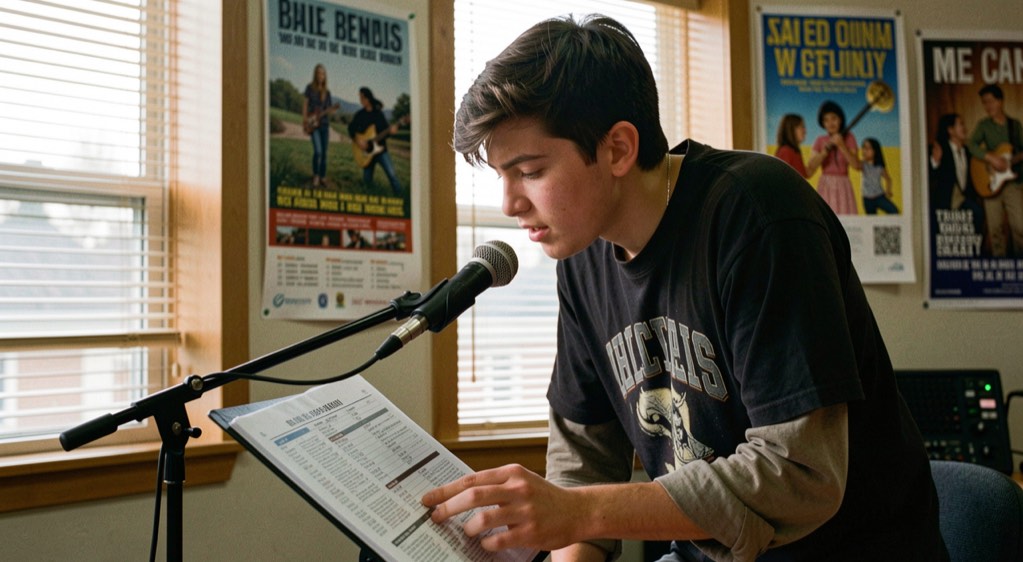
Campus radio and the reserved band
The bottom of the FM band was set aside for education before most of the rest of the dial was filled, and the college stations that grew there shaped what American community radio sounds like.
-
· Emergency Broadcasting
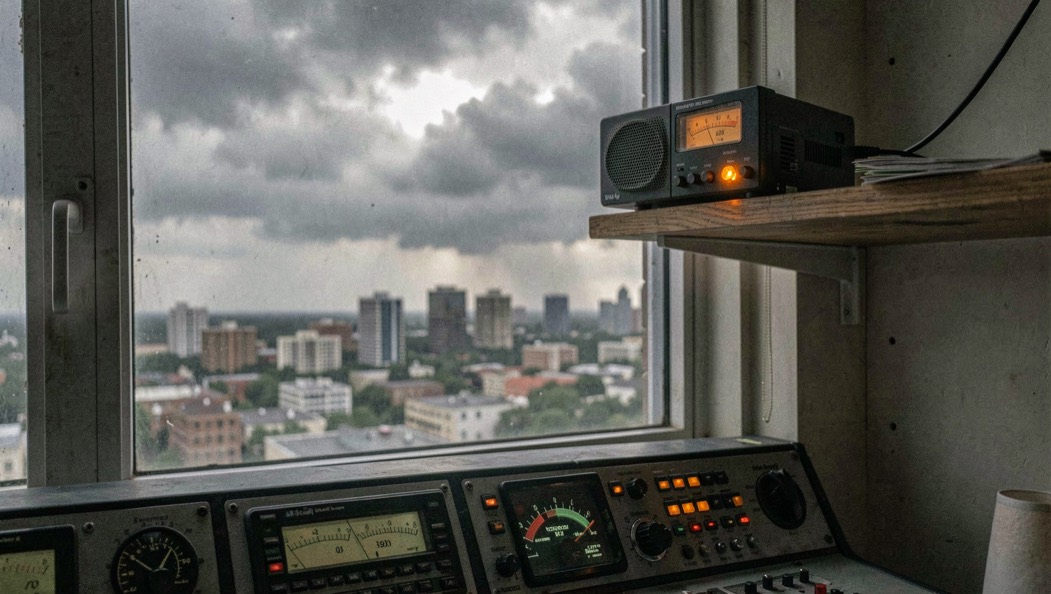
The Emergency Alert System for beginners
The attention signals on your radio during a tornado warning are the third generation of a system built against nuclear war, and community stations sit closer to its front line than any network.
-
· Stations Near You
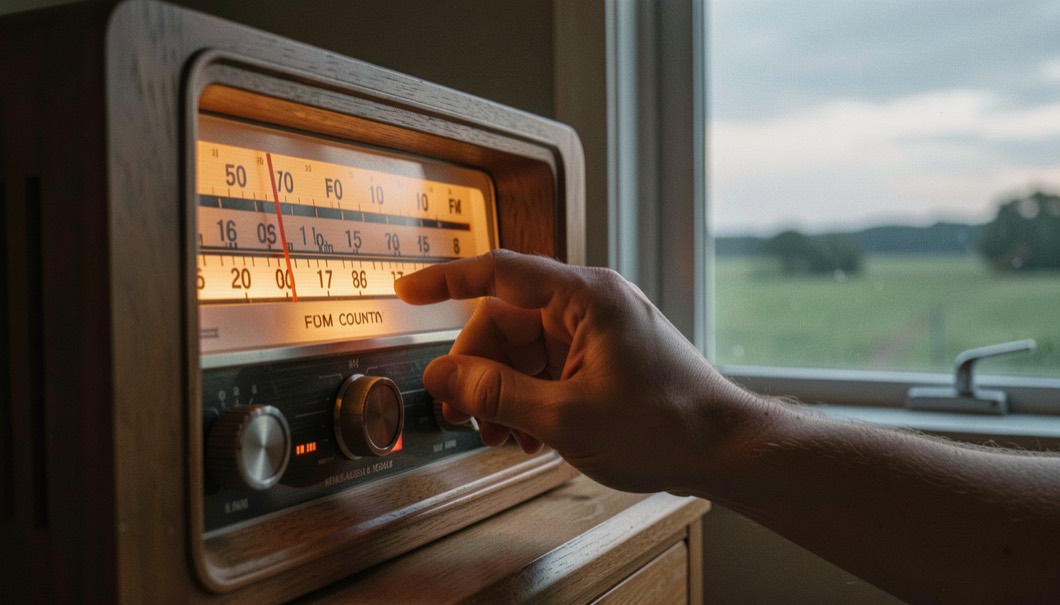
How to find a community station on the dial
Every county in America has more radio on it than the commercial logos suggest, and finding a low-power community station is mostly a matter of knowing where on the dial and in which database to look.
-

· Emergency Broadcasting
Quiet Listening: Radio, Headphones and Late Hours
A guide to quiet listening for community radio fans: late-night programming, low-volume headphones, and calm audio habits at home.
-

· Emergency Broadcasting
Java Image Processing for Animated GIFs
A practical look at Java image processing for animated GIF builds: frame delay, palette choices, encoder state, and where latency budgets come from.
-

Start an LPFM station: the full roadmap
The resource the magazine was built around: finding an open channel, surviving the point race, building out inside the permit clock and going live on 100 honest watts.
Desk 02 · Start a Station
Citizens Radio Review is written from the listening side of the dial: we follow the stations, the rules and the people, we keep the numbers real, and every guide links back to the desk that explains it. Start with the magazine’s method on the about page, take the whole story from the roadmap in Start an LPFM station, or compare the fastest route to the signal in the filing window guide.
KEEPSignal notes worth keeping
These pages stay on the dial as durable reference points, with rules, history and working steps kept together for repeat visits.
-
· Start a Station
Start an LPFM station: the full roadmap
A durable route from a founding group to a licensed 100-watt signal, with the filing, point race and buildout kept in one working sequence.
-
· LPFM Rules Made Simple
LPFM rules made simple
The plain-language reference desk for power, antenna height, channel protection and the rules that shape every small FM signal.
-
· Radio History
Armstrong and the invention of FM
The story of Armstrong’s invention and the technical idea that made a cleaner FM band possible for later community broadcasters.
-
· Emergency Broadcasting
Emergency broadcasting for community stations
A reference to the Emergency Alert System, weather radio and the station habits that matter when a warning takes over the schedule.
-
· Podcast Corner
Turning a station into a podcast workshop
A practical guide to turning existing community radio routines into recorded shows, RSS episodes and a second life beyond the dial.
OUTSIDEOther listening posts
Eight independent reading desks, each kept to its own subject and linked here for a clear description of what it offers.
Plain-English golf guide
Ball flight, short game, rules, handicaps, fitting and ball choice in eight written chapters.
Broadcast and sound notebook
FM signals, coverage, studio wiring and the practical planning behind a broadcast day.
Near-ground aerial imaging
Tethered blimps, balloons, kites, masts and drones, with attention to how altitude changes a picture.
Knitting and crochet how-to
Dated guidance on yarn labels, needles, dropped stitches, blocking and beginner patterns.
Mac storage field notes
Measured notes on drive space, cleanup guides, tool criteria and free field-kit worksheets.
Plain-language legal guides
Clear guides for contracts, business formation, estate planning and tenant records.
Diesel generator digest
Genset Digest reads generator sets and process air systems from the nameplate: sizing, maintenance schedules and the figures engineers specify.
Idaho voter guide
A community newsroom covering a local race needs the plain mechanics first: Gem State Civic Desk is a nonpartisan Idaho guide to registration, ballot measures and where official results are posted.