Desk 03 · LPFM Rules Made Simple
LPFM rules made simple
The FCC’s LPFM rulebook in plain English: 100 watts, 30 metre antennas, the point system, adjacent-channel protections and the 10 kHz offsets.
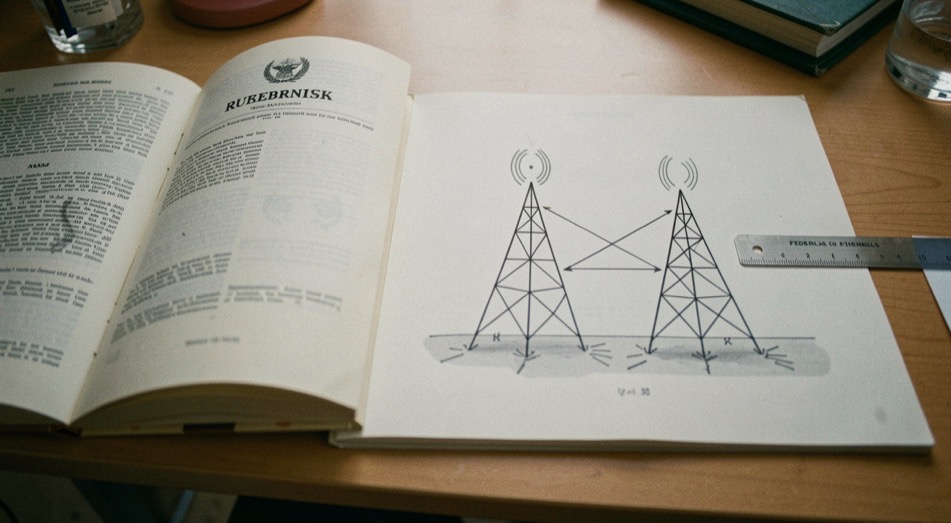
Nothing scares volunteers away from LPFM faster than the rulebook. This desk takes the rules one family at a time and translates them: how far a 100-watt signal actually carries, why the FCC scores applicants with points, what first-adjacent and second-adjacent protection mean for a channel search, and how a station can end up licensed at an odd 10 kHz offset from the familiar dial numbers.
We keep one rule for ourselves: every page in this desk states the rule first, then the reason it exists, then what it changes for a real group with a real transmitter. The application window guide shows the rules under deadline pressure, and the Emergency Alert System guide covers the one rulebook volunteers ask about most.
In this desk
-

What 100 watts buys on the FM dial
One hundred watts is a light bulb with a license, and the size of its footprint is not an accident but the central promise of the low-power service.
-
The FCC point system made simple
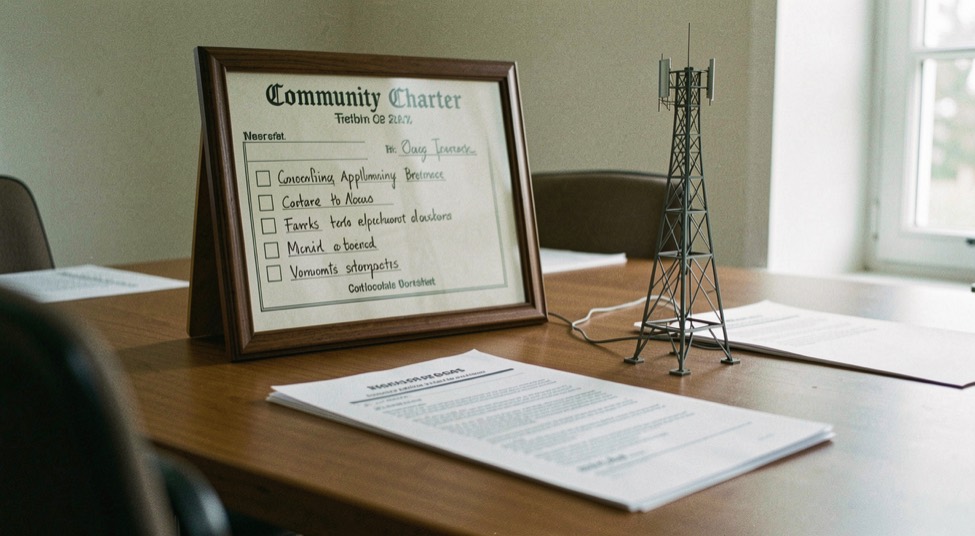
The point system is the FCC’s answer to a simple question: when several communities’ groups chase one frequency, which of them is most the community’s own?
-
Protections, offsets and shared dial space
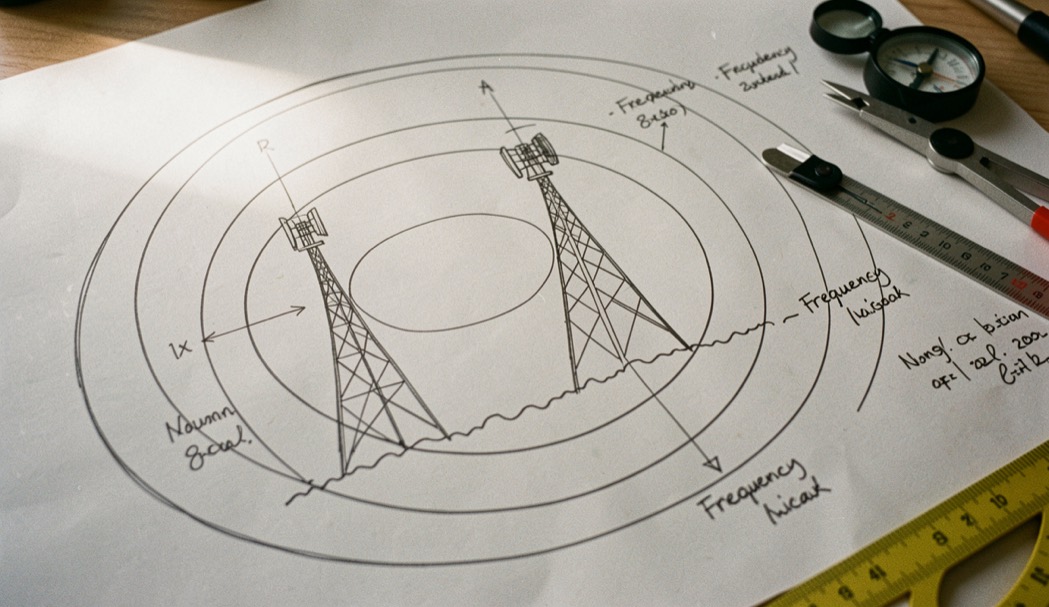
The FM band is a geometry problem: every new signal must prove it will not hurt its neighbors, and the FCC’s spacing rules decide where a 100-watt station may legally stand.
Two neighbouring desks extend this one: Stations Near You and Start a Station. The magazine’s method is stated on the editorial policy page.