Desk 01 · Stations Near You
Community radio stations near you
How to find low-power and community stations on any FM dial in the United States: the band they occupy, the directories that list them and what they sound like.
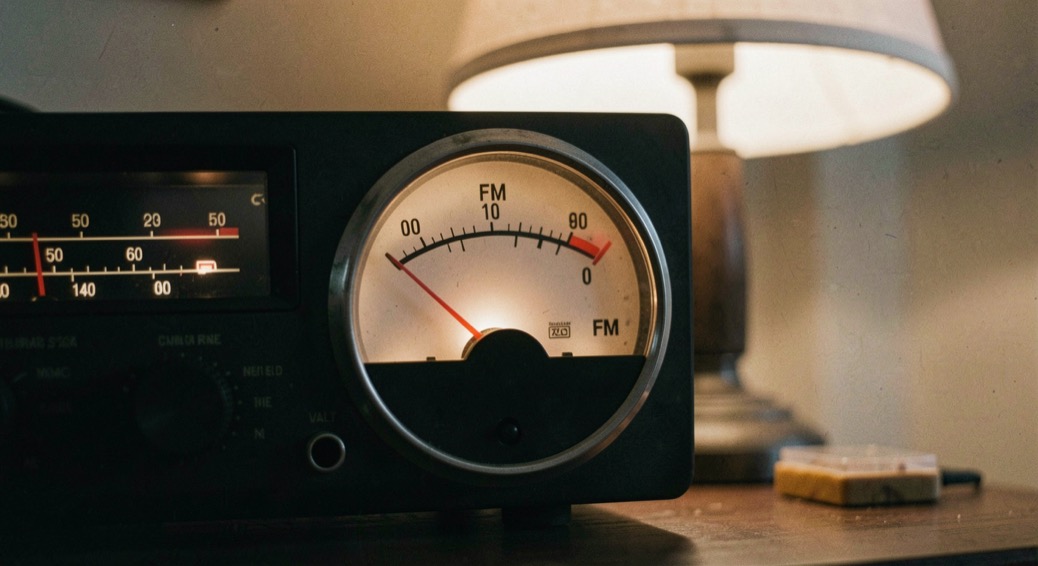
Between the network affiliates and the commercial repeaters, the American FM band hides more than a thousand low-power stations: campus broadcasters, church services, high school sports, bilingual talk, grass-roots music shows. This desk is the magazine’s listening guide. It explains where those signals sit on the dial, how to list and map them with the FCC’s own database and the volunteer directories that track them, and what a first-time listener should expect from a 100-watt signal.
We treat the dial as a place with a geography. The reserved band from 88.1 to 91.9 MHz belongs to educational broadcasting, the non-reserved band from 92.1 to 107.9 MHz is where low-power FM was placed, and every occupied tenth of a megahertz has a story. Our guide to what 100 watts buys explains why those signals are small on purpose, and the history of the pirate movement explains why they exist at all.
In this desk
-
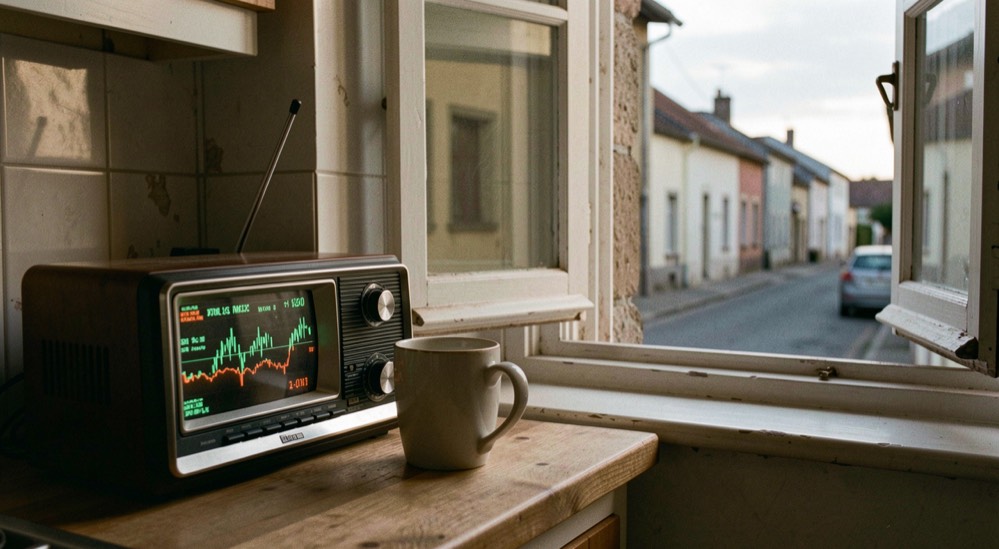
What a 100-watt station sounds like
A low-power signal has a texture of its own: strong at the center of town, noisy at the county line, and programmed with a freedom no ratings-driven operator would dare.
-
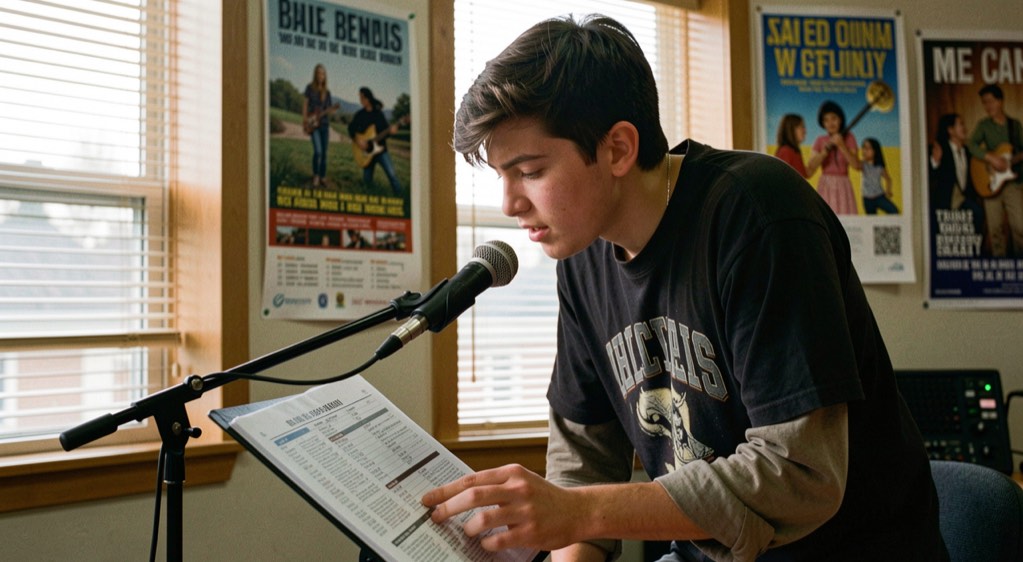
Campus radio and the reserved band
The bottom of the FM band was set aside for education before most of the rest of the dial was filled, and the college stations that grew there shaped what American community radio sounds like.
-
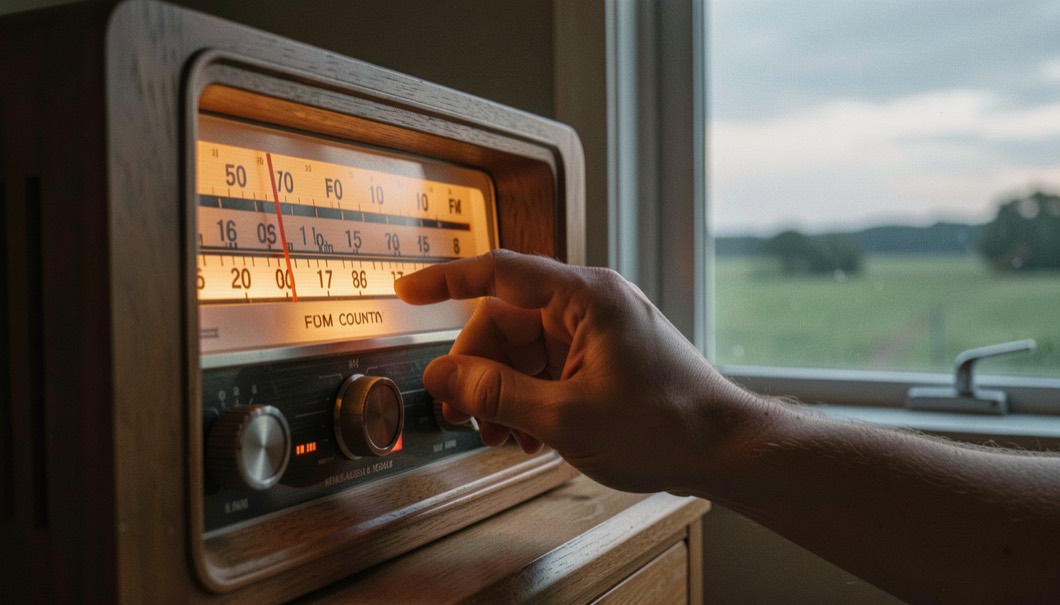
How to find a community station on the dial
Every county in America has more radio on it than the commercial logos suggest, and finding a low-power community station is mostly a matter of knowing where on the dial and in which database to look.
Two neighbouring desks extend this one: Start a Station and LPFM Rules Made Simple. The magazine’s method is stated on the editorial policy page.